

Dubai unveils one of the world’s smartest autonomous mobility testing ground
Mobility Labs launches with 248 test scenarios for future self-driving transport

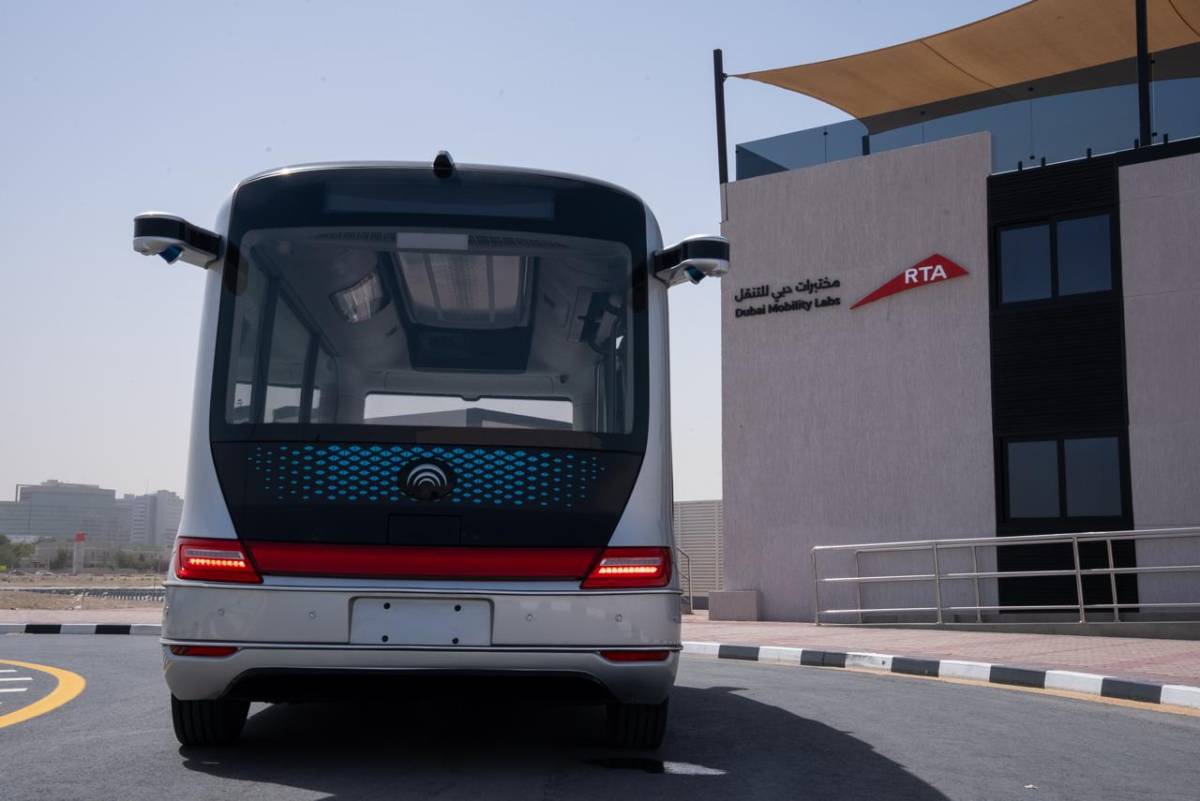
DUBAI – Dubai has inaugurated Dubai Mobility Labs at Dubai Silicon Oasis, creating an integrated ground-testing facility for autonomous and future mobility technologies.
Developed by Dubai’s Roads and Transport Authority (RTA) in collaboration with the Dubai Integrated Economic Zones Authority (DIEZ), the facility combines controlled testing environments with trials on public roads. The project is designed to help move mobility technologies from development and testing through validation and certification towards commercial operation.
The facility supports the objectives of the Dubai Smart Self-Driving Transport Strategy, which aims to convert 25% of all mobility journeys in the emirate into autonomous trips by 2030. It is also intended to strengthen Dubai’s infrastructure for companies, technology developers, research institutions and specialised talent working on next-generation transport systems.
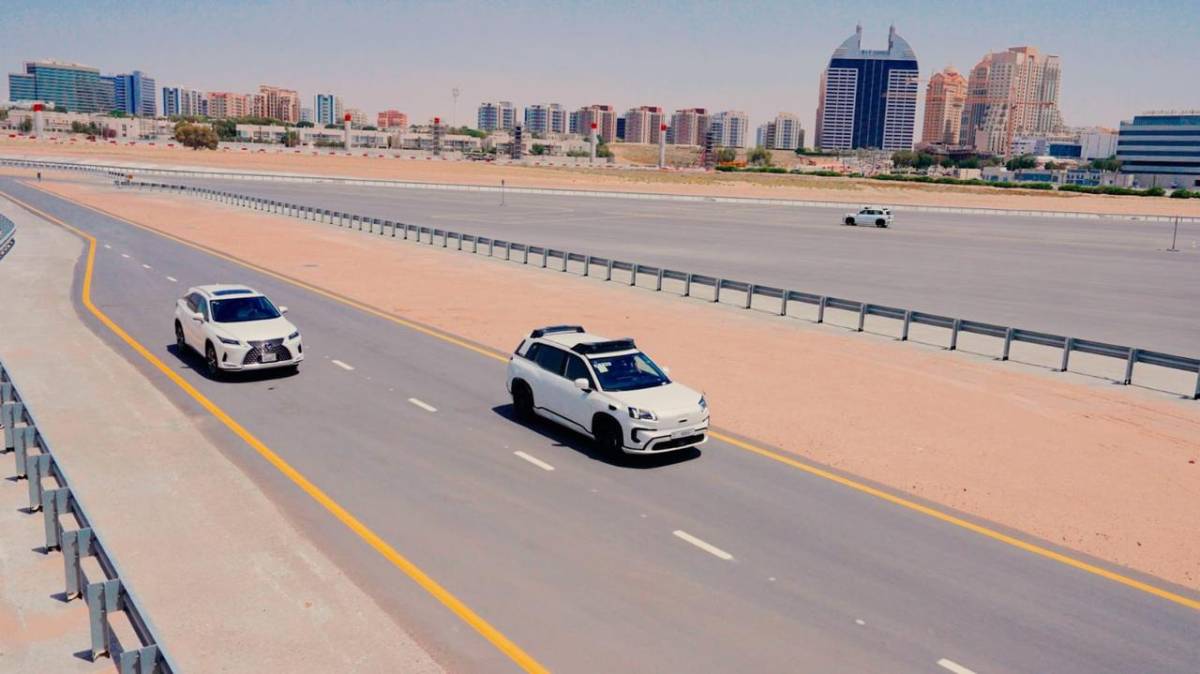
Dubai Mobility Labs is located in Dubai Silicon Oasis, the specialised economic zone for Knowledge & Innovation under DIEZ. The facility brings together dedicated test tracks and a multi-purpose testing area capable of recreating different traffic conditions, while also providing access to real-world testing on public roads between Dubai Silicon Oasis and Al Qudra.
Integrated testing
The combination of controlled and public-road testing allows autonomous vehicles and related technologies to be assessed under different operating conditions. Developers can examine how systems respond to changing traffic and environmental circumstances, while testing their safety, reliability and readiness before wider deployment.
The testing ecosystem encompasses 248 test scenarios across controlled environments and public roads. Of these, 195 scenarios are supported within the multi-purpose testing area. The area includes 143 scenarios incorporated into its core design, while another 52 were added through design enhancements intended to increase the facility’s operational capability and expand the situations that can be simulated.
The scenarios cover a broad range of traffic conditions that autonomous vehicles may encounter in urban environments. Testing can assess vehicle sensing and decision-making capabilities, interactions with other road users and responses to changes in surrounding conditions.
The facility also enables developers to verify vehicle readiness before moving from controlled trials to public-road testing. This staged approach provides a setting in which technologies can be assessed and refined before they are introduced into wider operational environments.
The multi-purpose area features different test tracks and traffic elements, supported by office and operational facilities. It also includes three light-industrial units for operations and indoor installations, as well as three 60 kW electric vehicle chargers to support companies and organisations participating in testing activities.
The public-road component extends the testing environment beyond the controlled facility, allowing developers to examine how autonomous technologies perform in conditions that cannot be fully replicated on dedicated tracks.
Self-driving transport
Mattar Al Tayer, Director General and Chairman of the Board of Executive Directors of RTA, said the inauguration of Dubai Mobility Labs represents a practical step towards strengthening Dubai’s role in developing and adopting future technologies.
He said the facility provides infrastructure for testing mobility technologies and systems in both controlled and real-world environments, enabling their safety, efficiency and readiness to be assessed before deployment on public roads.
Al Tayer also linked the project directly to Dubai’s Smart Self-Driving Transport Strategy and its target of making 25% of mobility journeys autonomous by 2030. According to RTA, the facility provides an integrated pathway covering the development, testing, validation and certification of emerging mobility technologies.
The project is intended to help accelerate the transition from trials to real-world and commercial deployment while supporting the readiness of Dubai’s infrastructure and its regulatory and technical systems for next-generation mobility.
Al Tayer said the significance of the project extends beyond the establishment of a specialised testing facility. Dubai Mobility Labs is intended to bring together vehicle manufacturers, technology developers, start-ups, research institutions and regulatory authorities within a wider innovation ecosystem.
The facility is expected to support companies seeking to develop and test mobility systems in Dubai before introducing them to regional and international markets. It is also designed to attract investment, specialised expertise and talent while contributing to Dubai’s knowledge and innovation-based economy.
The integration of controlled testing with public-road trials allows companies and developers to assess their technologies under a wider range of real-world conditions. According to RTA, this can improve the reliability of test results and accelerate development and certification processes.
The facility is therefore being positioned as part of Dubai’s broader infrastructure for future transport, with testing activities covering technologies intended to contribute to safer, smarter and more sustainable mobility.
Innovation ecosystem
Dr Mohammed Al Zarooni, Executive Chairman of DIEZ, said Dubai Mobility Labs supports the objectives of the Dubai Economic Agenda D33 by providing an environment where global innovators can develop and test autonomous mobility technologies.
He said the initiative contributes to efforts to develop future sectors, attract international investment and talent, and strengthen Dubai’s knowledge and innovation-driven economic ecosystem.
Dubai Silicon Oasis provides the setting for the facility within an economic zone focused on technology and innovation. According to DIEZ, its infrastructure and wider ecosystem can support the development and testing of advanced technological solutions and help move autonomous mobility technologies towards deployment and operation.
The Labs also creates opportunities for collaboration between government entities, private companies, academic institutions and research organisations. This structure allows different participants in the autonomous mobility sector to work within a shared testing environment while supporting the development and commercialisation of new technologies.
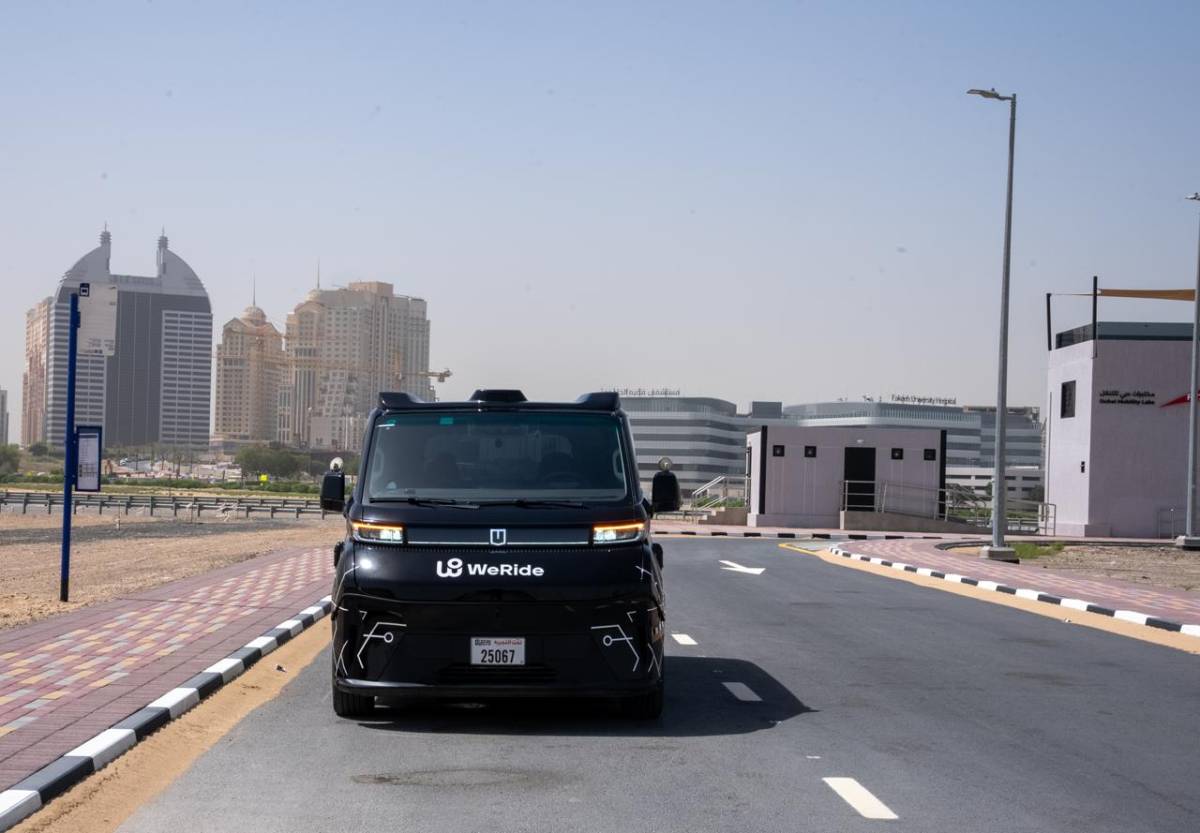
The facility has already hosted trials involving autonomous driving technologies and vehicles developed by global companies including WeRide, Pony.ai and Tesla. These trials have demonstrated the facility’s ability to accommodate different types of future mobility technologies and provide testing opportunities ahead of operation on Dubai’s road network.
The participation of companies developing different autonomous driving systems also reflects the range of technologies that can be assessed through the Labs’ controlled and real-world environments.
Testing operations
RTA has appointed DEKRA to operate Dubai Mobility Labs for its first three years. The company will manage day-to-day operations, organise testing activities, oversee the facilities and ensure compliance with international safety standards and operational best practices.
The operating arrangement is intended to provide a structured framework for testing and strengthen the consistency and reliability of results generated at the facility. It also supports the Labs’ role as an environment for companies seeking to assess and validate autonomous mobility technologies before progressing towards wider deployment.
With dedicated infrastructure, public-road access and certification-focused testing, Dubai Mobility Labs is designed to support the full development cycle of future mobility systems. Developers can use the facility to evaluate technologies in controlled conditions, assess performance in operational environments and prepare systems for further certification and commercial use.
The project also expands the opportunities for partnerships involving government bodies, the private sector and research institutions. Through these links, the Labs is intended to support innovation, investment and commercial applications while strengthening Dubai’s role in the international autonomous mobility sector.